
How Crypto Shapes the User Experience at Stake Casino
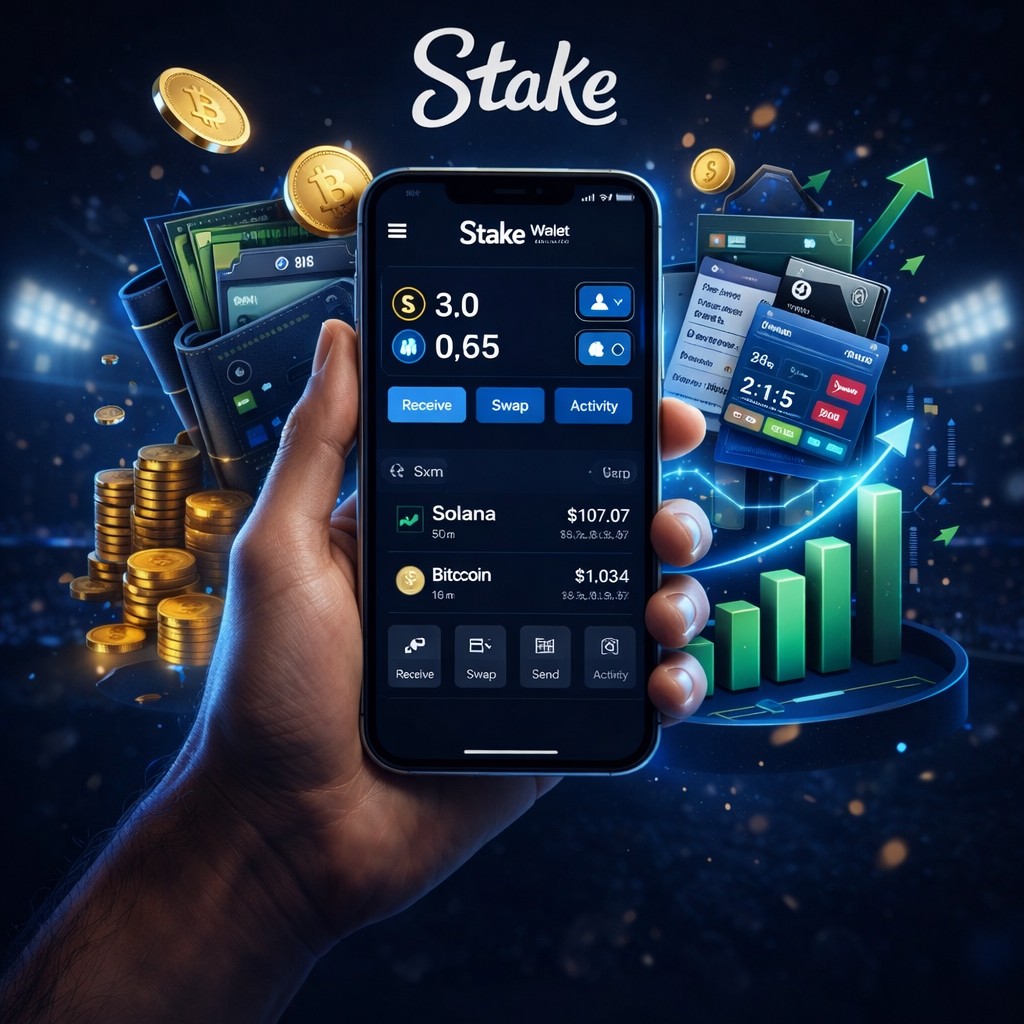
Log in. The balance counter at the top of the screen shows a crypto denomination. Not dollars. Not euros. BTC, ETH, USDT, or whatever coin is sitting in the account. That number stays in crypto through every click on the platform.
Open a game. The bet input is in crypto. Place a bet on blackjack — the amount deducts in crypto. Win — the payout adds in crypto. Switch to a slot. Same balance. Switch to sports betting. Same balance again. One pool of funds, one denomination, accessible across every section without moving money between wallets or converting between currencies mid-session.
The cashier page handles money in and money out. Deposit addresses for each supported coin. Withdrawal forms that ask for a wallet address and a network. Transaction history showing every movement — deposits, bets, wins, withdrawals — in chronological order. The player who checks that log regularly knows exactly where every fraction of a coin went.
Account settings live in the same interface. Security options. Two-factor setup. Session history. The whole account management layer sits alongside the gaming layer. One login, one dashboard, one place to monitor everything.
The crypto format means the player is also the banker. No intermediary holding funds in escrow. No card issuer approving transactions. The coins move from the player’s wallet to the platform and back again through the blockchain. That directness appeals to people who prefer controlling the flow themselves. It also means mistakes travel at the same speed as correct transactions — and neither comes with an undo option.
Why Players Search for Stake Casino Crypto
The search query stake casino crypto shows up because people want to know what the crypto part actually means for them as users. Not the theory of blockchain. Not a pitch about decentralisation. The practical stuff.
Some are existing crypto holders wondering whether Stake accepts what they already have in a wallet. They want to know if the deposit process works the way it does on exchanges and other crypto services they already use. For most of them, the answer is yes — the flow is familiar.
Some are casino players who heard that Stake runs on crypto and want to know if that changes the gameplay. It doesn’t. The games work the same way regardless of what currency sits behind the bets. A slot spin is a slot spin. A blackjack hand is a blackjack hand. The crypto layer lives underneath, in how money enters and leaves the platform.
Some are new to both crypto and casino platforms and landed on the search because the two words appeared together. For them, the learning curve is doubled — understanding crypto mechanics and understanding casino mechanics at the same time. Possible, but worth approaching slowly.
And some are checking whether “crypto casino” means something sketchy or whether Stake operates as a real platform with real games from real providers. The answer requires checking the platform’s licensing, its game catalogue, and its operating history rather than taking any single search result at face value.

Understanding Crypto Payments in an Online Casino Context
Money goes in. Money comes out. The middle part is where crypto handles things differently from a bank card.
Depositing: the platform generates a unique address for each supported coin. The player copies that address, opens their external wallet, and sends the amount. The transaction rides the blockchain. After enough confirmations, the balance updates. The speed depends on which coin and which network — some settle in seconds, some take longer.
Withdrawing: the player types in their personal wallet address, picks the amount, selects the network, and confirms. A fee goes to the blockchain for processing. The coins leave the platform and arrive at the wallet after the network confirms. Once confirmed, the transaction is final. No reversal. No chargeback.
Between deposits and withdrawals sits the balance — the number at the top of the screen. It goes down with bets and up with wins. It can also move on its own if the player holds a volatile coin. A BTC balance worth $500 in the morning might read $480 by evening, or $520, depending on what Bitcoin’s price did that day. The games didn’t touch it. The market did.
Stablecoins avoid that particular issue. Their value tracks the dollar, so the balance stays steady in purchasing-power terms even when the crypto market around it swings. For players who want the crypto transaction method without the price rollercoaster, stablecoins are the usual choice.
What Makes a Stake Crypto Casino Appealing
The appeal sits in a few practical areas. Not in marketing language. In how the platform actually feels to use.
Familiarity for crypto natives. Someone who already sends USDT to friends, trades on exchanges, and pays for VPN subscriptions in crypto sees the Stake cashier and recognises the whole flow. Nothing needs learning. The deposit page looks like every other crypto send screen they’ve used this week.
One account, one balance, everything connected. Games, sports, originals — all drawing from the same pool. No separate casino wallet and sportsbook wallet. No internal transfers between sections. Tap a game, place a bet, the balance adjusts. Switch sections, place another bet, same balance adjusts again.
Modern interface built for screens, not for paper. The platform was designed for browsers on phones and laptops. The layout, the navigation, the bet controls — all built for digital interaction. Touch screens work. Responsive design adjusts to the window. No desktop-era interface crammed onto a phone screen as an afterthought.
Self-directed account management. The player handles deposits and withdrawals through their own wallet. No bank approval queue. No card verification call. The trade-off — more personal responsibility for getting addresses and networks right — comes with the territory.
Crypto Casino Safety Basics for New Users
A few habits make the difference between a smooth experience and an expensive mistake.
Check the address twice. Before every deposit, look at the first four and last four characters of the pasted address. Compare them with what the platform’s cashier page shows. One wrong character and the funds go somewhere else. No rescue team comes to fix it.
Match the network. The deposit page says which blockchain the address belongs to. The wallet app has a network selector for outgoing transactions. These two need to say the same thing. Ethereum deposit address plus a Tron send equals lost funds.
Read the terms page. Bonus conditions. Wagering rules. Withdrawal procedures. Verification requirements. The terms cover all of it. Five minutes there answers questions that otherwise surface as unpleasant surprises weeks later.
Start small. First deposit, first withdrawal — do them with a small amount. Confirm the flow works. Confirm the address arrived correctly. Confirm the withdrawal landed in the right wallet. Then scale up.

Keep 2FA turned on. Two-factor authentication adds a code from a phone app to every login and every withdrawal. A leaked password alone can’t drain the account if 2FA is active. Crypto transfers are one-way — once they leave, they’re gone. The lock on the front door matters more here than in places where banks can step in after a fraud event.
When the Crypto Format May Not Be the Best Fit
Crypto casinos add a layer of interaction that not every player wants.
Someone who has never held crypto before needs to acquire it first — through an exchange, a peer-to-peer service, or a built-in purchase option on the platform. That step takes time, may involve fees, and requires understanding a new system before the first casino bet even happens.
Someone who prefers the simplicity of typing a card number and seeing a dollar balance finds the crypto cashier more complex than necessary. Wallet addresses, network selection, transaction confirmations — each one is an extra step that a card-based casino handles invisibly.
Someone uncomfortable with irreversible transactions faces a real adjustment. On a traditional platform, a misdirected payment can often be reversed. In crypto, it can’t. That finality is fine for experienced users who double-check addresses by habit. For someone new, it adds pressure that might not feel worth the trade-off.
Someone who doesn’t want to think about price volatility and doesn’t know what a stablecoin is will find a BTC-denominated balance confusing when it moves between sessions without any gambling involved. The market moved. The coins didn’t. But the dollar value changed. Explaining that to yourself every morning gets old fast if you didn’t sign up for it.
None of these disqualify a person from using the platform. They’re friction points that matter more for some users than others. Knowing they exist before the first deposit is more useful than discovering them after.